Qualifications Required for Pipe Fitters
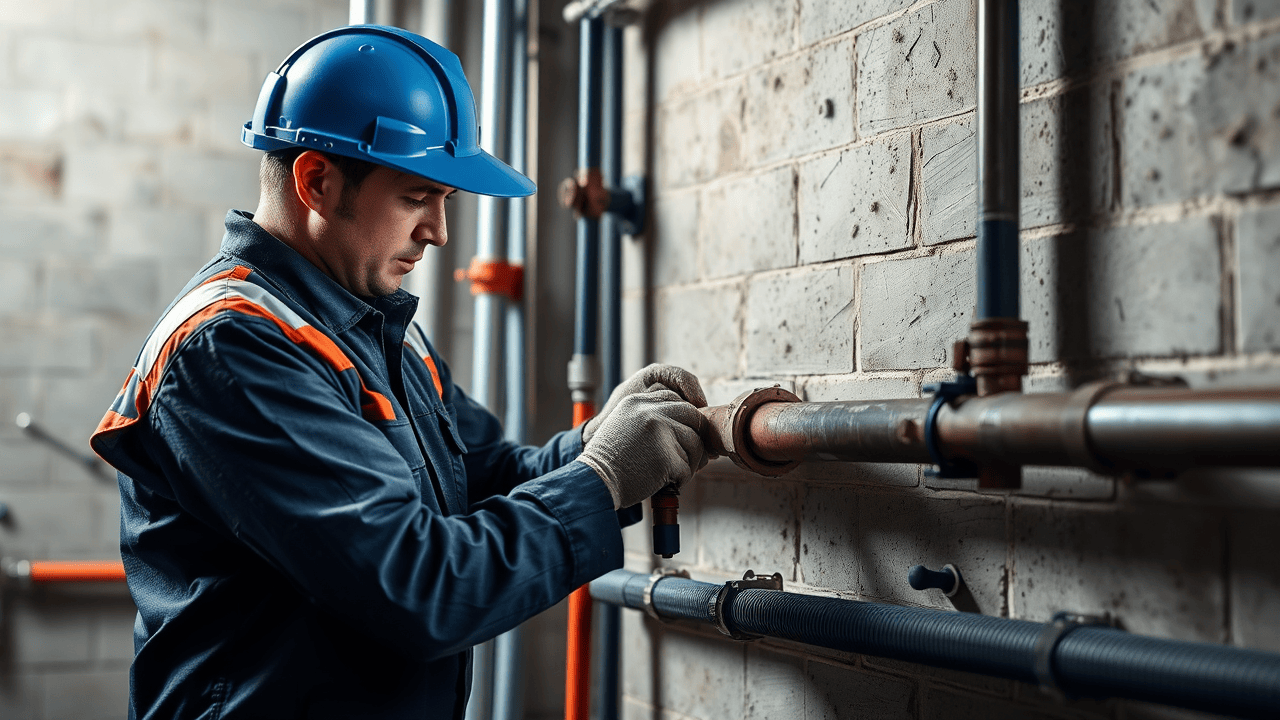
Pipe fitters require a blend of education and practical skills to effectively perform their duties. Typically, aspiring fitters undertake vocational training programs that cover subjects such as blueprint reading, plumbing codes, and safety regulations. These programs often culminate in obtaining a certification or entering an apprenticeship to gain hands-on experience. Knowledge of different materials and tools also plays a critical role in preparing individuals for this profession.
In many states, pipe fitters must obtain licensing to ensure they meet industry standards. This often involves passing examinations that test both their theoretical knowledge and practical skills, particularly in areas like pipe installation and repair in various environments. Continuous education is also essential. Technologies and materials evolve, necessitating ongoing training to stay current with best practices and safety protocols in the field.
Certifications and Training Programs
Certification in pipe fitting typically involves a combination of education and hands-on training. Many aspiring pipe fitters complete a formal apprenticeship program that includes both classroom instruction and on-the-job training. This practical experience is vital for mastering the skills necessary for pipe installation and repair in various settings, such as residential, commercial, or industrial environments. Industry organizations, like the United Association (UA), offer certification programs that set standards for knowledge and proficiency.
In addition to apprenticeships, many trade schools and community colleges provide specialized training programs focused on pipe installation and repair in both plumbing and HVAC systems. These programs often cover essential topics like blueprint reading, system layout, and safety protocols. Successful completion of these courses can enhance a pipe fitter's qualifications and improve job prospects in a competitive market, making it easier to gain entry into this essential trade.
Signs You Need Pipe Repair Services
Understanding the signs that indicate the need for pipe repair services can help homeowners address issues before they escalate. Unusual water discoloration, such as brown or rusty hues, often points to problems within the plumbing system. Additionally, persistent damp spots on walls or ceilings may suggest hidden leaks that require immediate attention. Homeowners should also be alert to unexpected increases in water bills, which can indicate undetected leaks or inefficient systems.
Another critical warning sign is the presence of strange noises in the plumbing, such as gurgling sounds or banging pipes. These noises can mean air pockets or water flow issues requiring expertise in pipe installation and repair in residential settings. Regular inspections and awareness of these indicators can save time and money while ensuring a well-functioning plumbing system.
Indicators of Pipe Issues
Detecting signs of potential pipe issues early can save homeowners from extensive damage and costly repairs. Unexplained dampness on walls or ceilings often indicates a hidden leak. If you notice water pooling around the foundation of your home or in the yard, it may point to a problem beneath the ground. Additionally, changes in your water pressure can indicate that there is an obstruction or a leak in the system. These symptoms should never be overlooked as they often escalate quickly.
Strange sounds coming from your plumbing can also be a significant red flag. Banging or gurgling noises may suggest that air is trapped in the pipes, which can lead to further complications. Foul odors emanating from drains can indicate a blockage or sewer issue that requires immediate attention. Regular inspections and proactive measures, such as professional pipe installation and repair in your area, can prevent minor problems from becoming major headaches.
DIY vs. Professional Pipe Repair
When considering whether to tackle pipe repair on your own or call in a professional, it is vital to assess the complexity of the issue. Some minor leaks or clogs may be manageable for a do-it-yourself approach, especially if you have basic tools and some experience. However, with challenges requiring specialized skills, such as pipe installation and repair in areas with complex plumbing systems, expertise becomes crucial. Attempting to address such problems without proper knowledge can lead to further complications and costlier repairs down the line.
Homeowners should also evaluate their comfort level with various plumbing tasks. If there is any uncertainty about how to address a specific issue, consulting a professional can be a wise choice. Professionals bring extensive training and experience that ensure repairs are up to code and executed effectively. In scenarios involving significant plumbing work or urgent repairs, opting for professional pipe installation and repair in your home can save time, reduce stress, and prevent damage.
When to Call a Professional
When dealing with significant plumbing issues, it is essential to recognize when professional help is necessary. A persistent leak, for instance, may seem small at first, but over time it can lead to severe damage. Homeowners should consider contacting experts for pipe installation and repair in such situations to prevent further complications. Professional pipe fitters possess the skills and tools to diagnose the problem accurately and implement effective solutions quickly.
Another reason to seek out professional services lies in the complexity of certain repairs. If the job involves extensive piping networks or intricate connections, the level of expertise required exceeds typical DIY capabilities. Attempting to navigate these tasks without proper knowledge can lead to more significant problems down the line. Therefore, enlisting professional pipe installation and repair in these instances ensures the integrity of your plumbing system is maintained while providing peace of mind.
FAQS
What qualifications do pipe fitters need?
Pipe fitters typically require a high school diploma or equivalent, along with specialized training in plumbing and pipefitting. Apprenticeships are common, allowing individuals to gain hands-on experience under the guidance of skilled professionals.
Are there specific certifications for pipe fitters?
Yes, many pipe fitters pursue certifications from recognized organizations, such as the National Center for Construction Education and Research (NCCER) or the American Society of Plumbing Engineers (ASPE). These certifications can enhance their skills and improve job prospects.
How can I tell if I need pipe repair services?
Common signs that indicate you may need pipe repair services include water leaks, unusual sounds from pipes, reduced water pressure, discolored water, or visible damage to plumbing fixtures. If you notice any of these signs, it's best to consult a professional.
What are some indicators of pipe issues?
Indicators of pipe issues can include frequent clogs, water stains on walls or ceilings, mold growth, an increase in your water bill, or the presence of damp spots around your home. These signs may suggest leaks or blockages in your plumbing system.
Should I attempt to repair pipes myself or hire a professional?
While minor pipe issues may be manageable as DIY projects, it is generally advisable to hire a professional for more complex repairs. Professionals have the training and tools necessary to diagnose problems accurately and ensure repairs are done safely and correctly.