When to Call a Professional
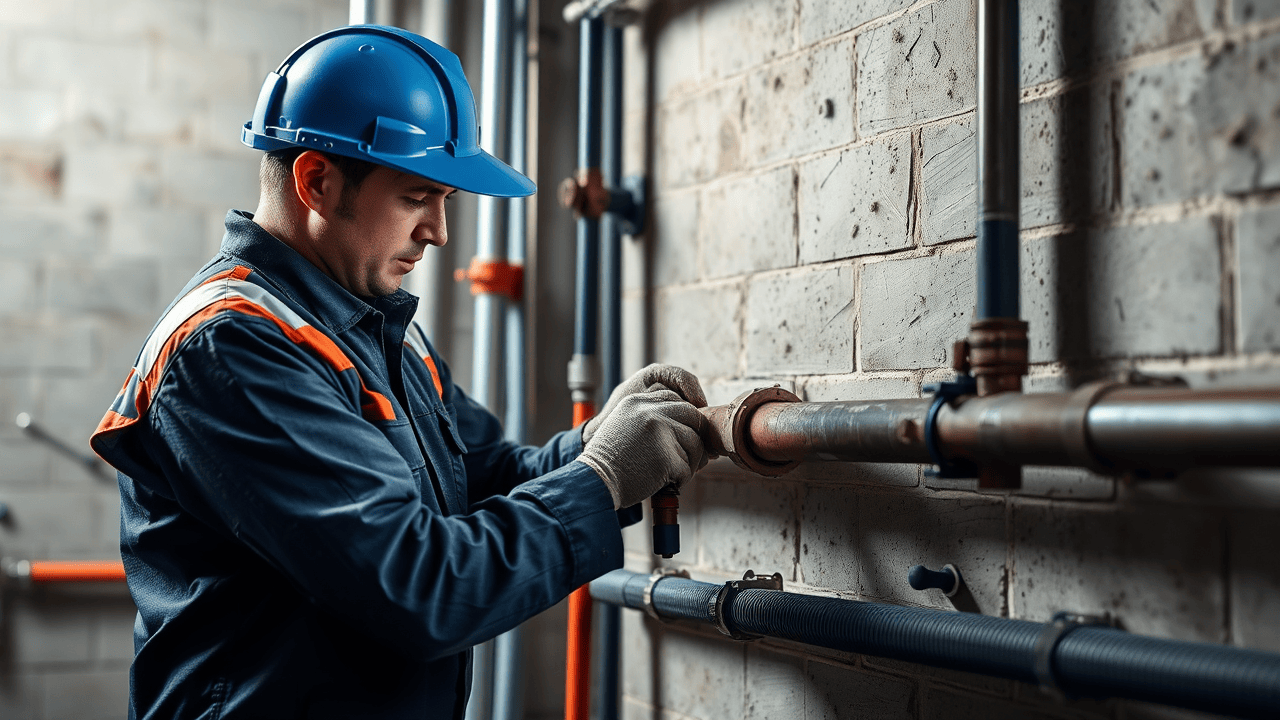
Recognizing the right moment to engage a professional is crucial for effective pipe installation and repair. Major leaks, persistent clogs, or significant water damage indicate that the problem may be beyond a simple DIY fix. If there is uncertainty about the extent of the damage or when to replace old pipes, consulting an expert avoids potential mishaps and costly repairs down the line.
Homeowners should also consider the complexity of their plumbing system. Older homes may have unique challenges requiring specialized knowledge in pipe installation and repair. If previous attempts at fixing a problem have failed, it’s wise to seek professional assistance. An experienced plumber can provide a thorough assessment and ensure the work meets safety standards.
Signs You Need Expert Help
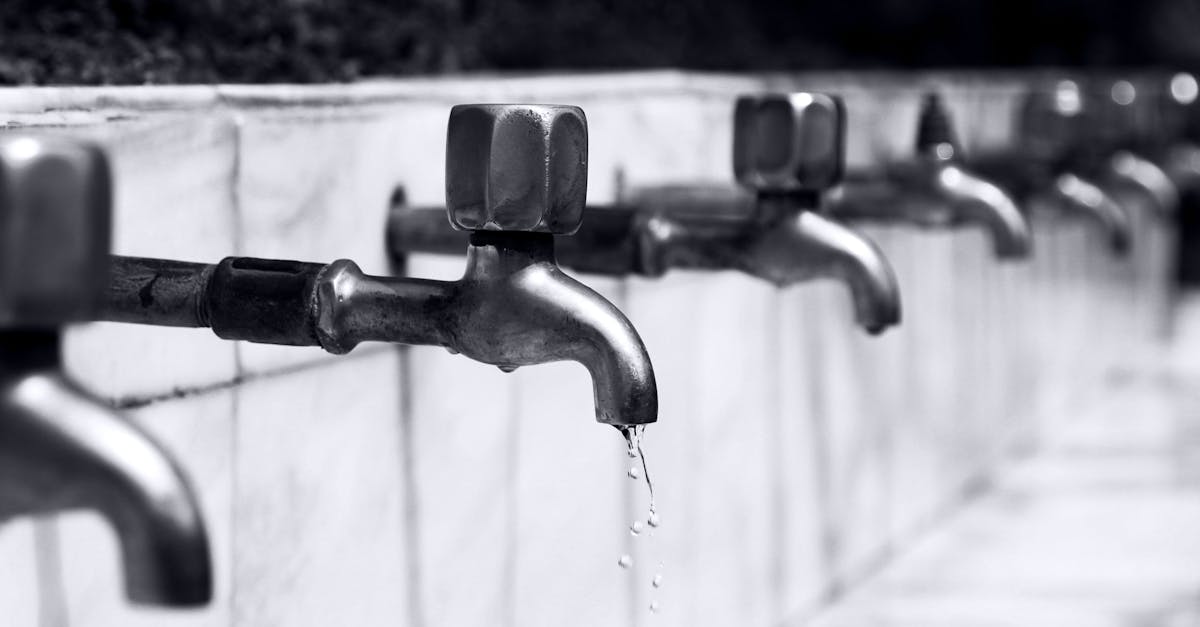
Recognizing when to seek professional help for pipe issues can save time and extensive damage. If you notice persistent leaks, low water pressure, or discolored water, these often indicate underlying problems. DIY solutions may provide temporary relief, but they could also mask serious issues that require a professional's knowledge. Pipe installation and repair should be trusted to experts, especially when symptoms suggest significant plumbing faults.
Moreover, unusual sounds like gurgling or banging may signify that air is trapped in your pipes or that there's a block somewhere in the system. These situations may escalate quickly if they are not addressed promptly. Professional plumbers have the necessary tools and expertise to diagnose the problem accurately. Ignoring these signs can lead to costly repairs and potential hazards within your home.
DIY Pipe Repair Tips
For minor leaks or drips, DIY pipe repair can be straightforward and cost-effective. Using materials like plumber’s tape or epoxy putty, you can seal small leaks without needing to replace entire sections of piping. Always begin by shutting off the water supply to the affected area to prevent further damage. Once the water is off, clean the area around the leak and apply the repair material according to the instructions. Pipe installation and repair requires an understanding of the types of materials involved, so ensure you choose the right products for your specific pipes.
Another helpful tip for DIY plumbing is to tighten loose fittings with a wrench. Sometimes, the origin of a leak is simply due to a fitting that has come out of place. Inspect all joints and ensure they are secure. For more significant issues, like a broken pipe, temporary solutions like pipe clamps or rubber patches can provide a quick fix until a professional can address the problem. Remember, adequate preparation and knowledge are vital in DIY pipe repair tasks to ensure a successful outcome.
Simple Fixes You Can Handle Yourself
Leaking pipes can often be addressed with simple fixes that homeowners can handle themselves. Checking fittings and tightening loose connections is a good starting point. For minor leaks, using plumber's tape on threaded fittings can create a watertight seal. Another effective method involves applying epoxy putty around the leak, allowing it to set and harden before turning the water supply back on. These quick repairs can often prevent the need for professional intervention.
Preventative maintenance is just as crucial for prolonging the life of your plumbing system. Regularly inspecting visible pipes for signs of wear can help catch issues early. Keeping an eye on water pressure is also important; high pressure can cause strain and lead to leaks. When performing any minor repairs, always ensure to follow guidelines related to pipe installation and repair to avoid further complications. Addressing small issues before they escalate ensures a more efficient plumbing system overall.
Preventative Measures for Pipe Longevity
Regular maintenance is key to ensuring the longest life for your pipes. Inspections should be performed periodically to check for signs of wear or damage. Keeping an eye on connections and joints can help identify potential problems before they worsen. It is also essential to keep the area around your pipes clean and free from debris to prevent blockages and corrosion.
Proper insulation can protect pipes from temperature fluctuations, especially in colder climates. Pipe installation and repair should include the use of high-quality materials designed to withstand the specific conditions in your home. Additionally, knowing the location of your shut-off valves can save you a lot of trouble in case of an emergency. Regularly using drain screens can also prevent debris from entering the plumbing system, contributing to better pipe longevity.
Best Practices to Maintain Your Pipes
Regular maintenance is essential for ensuring the longevity of your pipes. Inspections should be scheduled periodically to identify any signs of wear, corrosion, or leaks. Keeping an eye on water pressure can also indicate potential issues. Flushing your plumbing system occasionally helps remove sediments that may accumulate over time, preserving the efficiency of the pipes. Additionally, understanding the materials used in your pipe installation and repair can guide you in choosing appropriate cleaning products and methods.
Proper insulation is crucial, especially in colder climates. Wrapping pipes with insulating materials can prevent freezing during harsh winters. Avoid pouring grease or non-biodegradable materials down the drain, as these can cause clogs. Ensuring that your drains are fitted with screens or traps will help catch debris before it enters the plumbing system. Taking these preventative steps will contribute to the durability of your pipes and reduce the need for future repairs.
FAQS
What is the term used for fixing pipes?
The process of fixing pipes is commonly referred to as "pipe repair."
When should I call a professional for pipe repair?
You should call a professional if you notice signs like persistent leaks, water damage, or if the repair required is beyond a simple fix.
What are some DIY pipe repair tips for homeowners?
Simple DIY pipe repair tips include using pipe tape for minor leaks, replacing washers in leaky faucets, and using epoxy putty for small cracks.
What preventative measures can I take to maintain my pipes?
To maintain your pipes, you can regularly check for leaks, insulate pipes to prevent freezing, and avoid pouring grease or large food items down the drain.
How can I tell if I need expert help for my pipes?
You need expert help if you experience significant water pooling, unusual sounds from pipes, or persistent low water pressure, as these may indicate major plumbing issues.