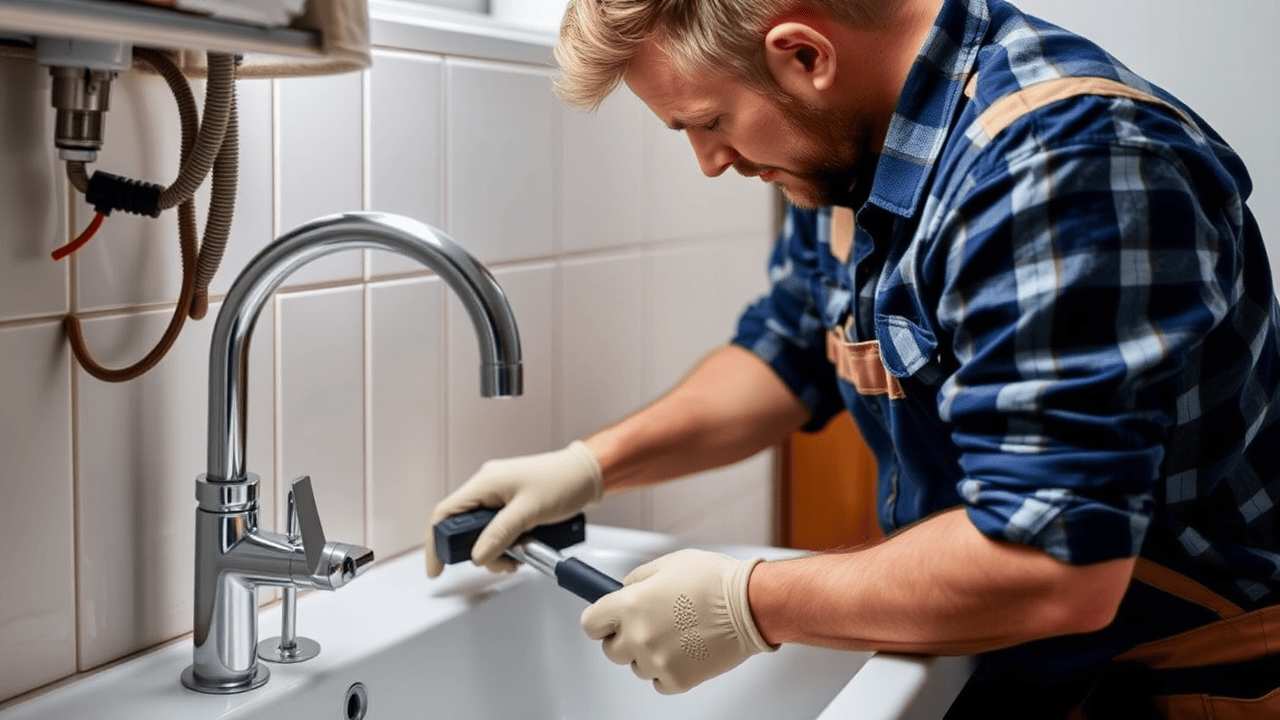
At Glenn Pro Plumbing, we specialize in professional sink installation and repair services tailored to meet your needs. Whether you're upgrading to a modern design or replacing a worn-out fixture, our experienced team is equipped to handle all types of sinks, from kitchen to bathroom models. We understand that a properly functioning sink is crucial for your daily routine, which is why we prioritize efficiency and quality in every project. Our skilled plumbers are committed to ensuring that your sink operates flawlessly, addressing leaks, clogs, and other issues promptly. Trust Glenn Pro Plumbing to provide reliable, affordable, and expert sink solutions that enhance both functionality and style in your home.
The Importance of Proper Sink Drainage
Effective sink drainage plays a crucial role in maintaining a clean and functional bathroom. When water drains properly, it prevents the accumulation of standing water, which can lead to unpleasant odors and create a breeding ground for mold and mildew. A well-functioning drainage system also supports proper waste removal, reducing the risk of clogs that can disrupt everyday activities.
The design of a drainage system is vital to its performance. Components like pipes, traps, and vents work together to facilitate smooth wastewater flow. Proper installation and regular maintenance help ensure that these elements function as intended, promoting a healthier environment while extending the life of the sink and associated plumbing. Neglecting drainage issues often leads to more significant problems that may require costly repairs or replacements.
Understanding Drainage Systems and Their Functions
A well-designed drainage system is crucial for any sink installation. It ensures that wastewater flows efficiently from the sink into the main plumbing lines. Typically, these systems consist of a network of pipes, traps, and vents that work together to prevent clogs and allow air circulation. Traps, often U-shaped, hold a small amount of water to block sewer gases from entering the home. Additionally, vent pipes equalize pressure, allowing wastewater to flow freely and preventing backflow.
Understanding the various components of drainage systems also aids in identifying potential issues. Blockages can arise from food particles, grease, or even hair, leading to slow drainage or complete stoppages. Regular inspections of the system can help catch problems early, ensuring a smooth flow of water. Familiarity with your drainage system can also assist in maintenance decisions, such as when to use chemical cleaners or when to call a professional plumber for assistance.
Choosing the Right Sink for Your Bathroom
Selecting the right sink for your bathroom involves considering both functionality and aesthetics. A pedestal sink offers a classic look while saving space, making it ideal for smaller bathrooms. On the other hand, a vanity sink provides additional storage and a surface for toiletries, which can enhance organization. Integrated sinks, found in modern designs, provide a seamless appearance and are easier to clean.
Think about the materials used in sink construction; porcelain and ceramic are popular for their durability and ease of maintenance. Stainless steel is slick and contemporary, often found in modern bathrooms. When choosing a sink, consider how it complements existing decor. Style and finish can significantly affect the overall look and feel of your bathroom, creating a seamless blend with other fixtures and enhancing the space.
Popular Styles and Features to Consider
When selecting a sink for your bathroom, aesthetic appeal plays a significant role. Various styles cater to different design preferences, from modern and sleek vessel sinks to classic undermount options that blend seamlessly into the countertop. Consider color and material; porcelain and stainless steel provide a clean look, while natural stone adds warmth and texture.
Functionality should also guide your choice. Double sinks are ideal for shared spaces, enhancing convenience and efficiency during busy mornings. Features such as integrated storage or built-in splash guards can improve usability. Consider faucets with water-saving technology for both efficiency and eco-friendliness. Evaluating these factors will ensure you choose a sink that harmonizes with your bathroom's style while meeting your practical needs.
Maintenance Tips for Longevity of Your Sink
Regular maintenance can significantly extend the lifespan of your sink. Routine cleaning prevents the buildup of dirt, grime, and hard water stains. Utilizing non-abrasive cleaners is essential, as harsh chemicals may damage the surface. Regularly check for leaks around the faucet and drain to address small issues before they escalate. Simple inspections can help ensure optimal performance.
Additionally, consider the materials of your sink when selecting cleaning products. For instance, stainless steel requires different care compared to porcelain or composite sinks. Mild dish soap mixed with warm water can effectively clean many surfaces without causing damage. Avoid using steel wool, which can scratch the finish. Implementing these maintenance practices will help preserve the look and functionality of your sink for years to come.
Recommended Cleaning Products and Techniques
Keeping your sink clean is essential for maintaining its appearance and prolonging its lifespan. A mixture of warm water and mild dish soap works well for regular cleaning. Use a soft cloth or sponge to gently scrub the surface, avoiding harsh abrasives that could scratch the finish. For tougher stains, a paste made from baking soda and water can provide a gentle yet effective solution. Apply the paste to the affected area, let it sit for a few minutes, then scrub and rinse thoroughly.
In addition to regular cleaning, consider using specialized products designed for sink maintenance. For stainless steel sinks, look for a non-abrasive cleaner that can enhance shine without damaging the surface. Alternatively, a vinegar and water solution can help remove mineral deposits and restore luster to porcelain sinks. Always rinse thoroughly after cleaning to prevent residue buildup. Regular maintenance not only keeps your sink looking fresh but also helps prevent potential plumbing issues caused by buildup or blocked drains.
FAQS
What are the key steps in installing a sink?
The key steps in installing a sink include selecting the right sink type, preparing the area, ensuring proper drainage connections, securing the sink in place, and finally, checking for leaks.
How can I tell if my sink drain is clogged?
Signs of a clogged sink drain include slow drainage, unusual odors, gurgling sounds, and water pooling in the sink. If you experience one or more of these issues, it may indicate a clog.
What are some common mistakes to avoid during sink installation?
Common mistakes include not measuring correctly, failing to check for existing plumbing issues, using the wrong materials, and neglecting to secure the sink properly, which can lead to leaks.
How often should I clean my sink and its drain?
It is recommended to clean your sink regularly, ideally on a weekly basis, and to perform a deeper cleaning of the drain every month to prevent buildup and clogs.
What should I do if my sink has a persistent leak?
If your sink has a persistent leak, first identify the source of the leak. You may need to tighten connections, replace washers, or seek professional help if the problem persists. Regular maintenance can also help prevent leaks.