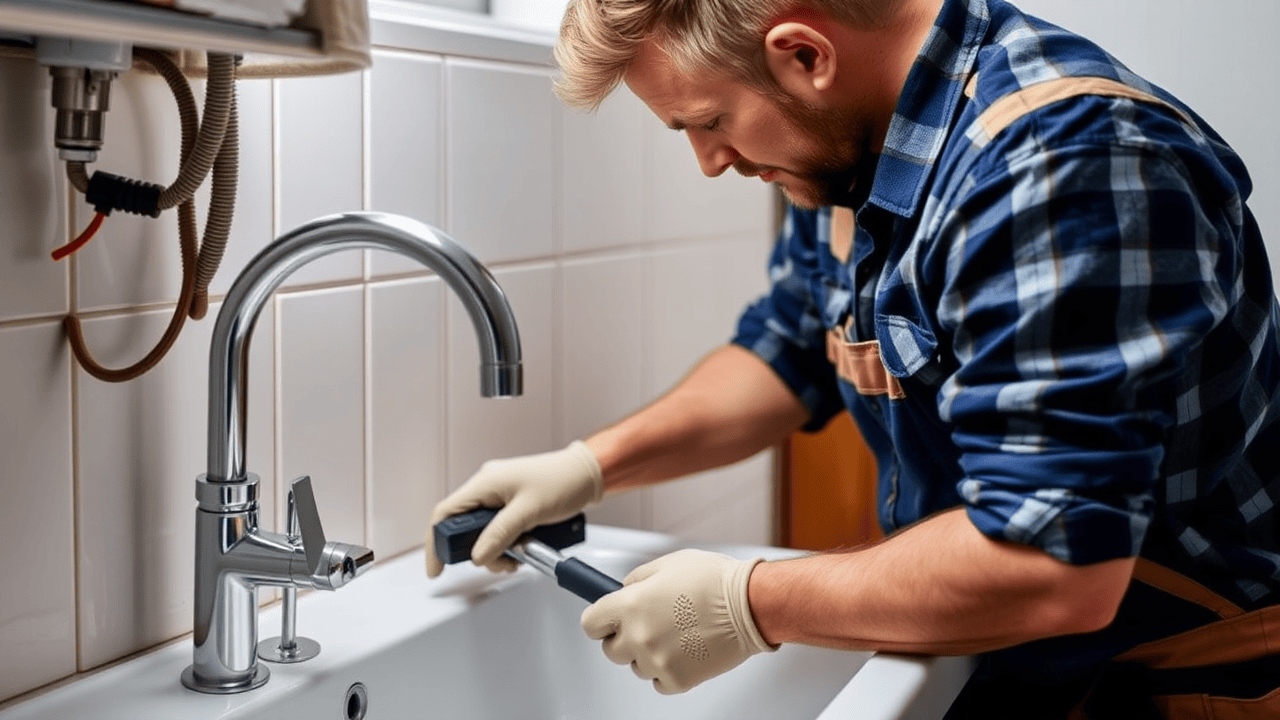
Cost Factors for Sink Installation
The cost of sink installation and repair can vary widely based on several factors, including the type of sink chosen and the complexity of the installation. Different materials such as stainless steel, porcelain, or granite composite may come with varying price tags. Additionally, if the sink requires specialized plumbing or changes to existing plumbing configurations, this can significantly increase overall costs. Homeowners should also consider any necessary countertops or cabinetry modifications that may need to be made, which can further impact the budget.
Labor costs play a crucial role in the total expense of sink installation and repair. Hiring a professional plumber typically involves hourly rates that can fluctuate based on their expertise and location. Obtaining multiple quotes can help homeowners understand the market rate for these services. It’s important to factor in potential additional costs for permits if local regulations require them, as these can add another layer to the overall budget for the project.
Budgeting for Professional Help
When budgeting for professional help, it is essential to consider various factors that can affect the overall cost of sink installation and repair. Labor charges for plumbers can vary widely based on location and the expertise required for the job. Additionally, unexpected complications during installation, such as issues with existing plumbing or structural adjustments, can lead to added expenses. Homeowners should gather multiple estimates from licensed plumbers to compare both labor and material costs effectively.
Incorporating a budget for permits, if necessary, is another important aspect of the planning process. Local building codes may require permits for sink installation and repair, adding to the overall expenditure. It’s advisable to factor in potential costs for additional materials—such as plumbing fixtures or pipes—beyond just the sink itself. Planning for these expenses will help ensure a smoother installation experience without financial surprises.
Local Plumbing Codes and Regulations
Local plumbing codes and regulations play a crucial role in sink installation and repair. These codes ensure that plumbing systems are safe, functional, and environmentally friendly. It is essential to familiarize yourself with the specific codes that apply to your area, as they can vary significantly from one jurisdiction to another. Understanding these regulations helps avoid potential complications, such as fines or having to redo work that doesn’t meet code requirements.
Homeowners should also be aware that compliance with local plumbing regulations can impact the overall effectiveness of sink installation and repair. Adhering to these guidelines not only ensures safety but also enhances water efficiency and prevents issues such as leaks or blockages in the future. Consulting with a licensed plumber can provide clarity on the necessary codes and how they apply to your installation project.
Compliance and Safety Considerations
Compliance with local plumbing codes is essential during sink installation and repair. These regulations often dictate specific requirements for materials, fittings, and installation techniques to ensure safety and proper functionality. Failing to adhere to these codes can lead to fines, significant delays, or even the need to redo the work. It's important to check local ordinances before beginning a project, particularly if the sink installation involves any significant plumbing changes.
Safety considerations also play a critical role in the process. Working with plumbing systems involves handling water connections and can require electrical work if the sink features integrated appliances. Improper installation can lead to leaks or electrical hazards. Hiring a professional plumber can help mitigate these risks by ensuring that sink installation and repair are done safely and effectively, minimizing the potential for future complications.
Preparing Your Home for Sink Installation
When preparing your home for sink installation, it's essential to assess the space where the new sink will be placed. Clear out any items from the area, ensuring there is easy access to the plumbing. This creates a safe working environment for either yourself or a hired professional. Check the condition of existing pipes and fixtures as they may need repairs or replacements before the installation takes place. Taking these steps will help streamline the process and prevent potential issues.
Additionally, consider the necessary tools and materials required for the installation. If you plan to tackle the project independently, having the right equipment on hand can make a significant difference. Paying attention to local plumbing codes and regulations is crucial for any modifications. Compliance ensures your sink installation and repair adhere to safety standards and avoids future complications. Proper preparation lays the groundwork for a successful sink installation that meets both your aesthetic and functional needs.
Essential PreInstallation Steps
Before initiating the sink installation and repair process, ensure that you have all necessary tools and supplies on hand. This typically includes items such as wrenches, pliers, a screwdriver, and Teflon tape for sealing connections. Familiarizing yourself with the new sink’s specifications and dimensions is crucial. Proper measurements will help avoid fitting issues later and streamline the entire installation process.
Next, turn off the water supply to the existing sink to prevent any leaks during the swap. It’s wise to clear the area beneath the sink to create ample working space. Having a clean and accessible environment helps facilitate a smoother installation experience. Consider laying down a tarp or old towels to protect your floors from any potential spills. Careful preparation will help set the stage for a successful sink installation and repair.
FAQS
Can I install a new sink myself instead of hiring a plumber?
Yes, you can install a new sink yourself if you have the necessary skills and tools. However, it is important to ensure you follow all local plumbing codes and safety regulations.
What are the typical costs involved in hiring a plumber for sink installation?
The cost for hiring a plumber can vary widely depending on factors such as your location, the complexity of the installation, and the plumber's rates. Generally, you can expect to pay between $150 to $500 for professional installation.
Are there specific local plumbing codes I should be aware of when installing a sink?
Yes, local plumbing codes can vary by area and may dictate how sinks should be installed, including requirements for drainage, water supply lines, and venting. It’s advisable to check with your local plumbing authority before starting the installation.
What essential steps should I take to prepare my home for sink installation?
Essential pre-installation steps include measuring the space for the sink, turning off the water supply, and removing the old sink if applicable. You may also want to gather all necessary tools and materials before beginning the installation.
What safety considerations should I keep in mind during the sink installation process?
When installing a sink, ensure that you turn off the water supply to prevent leaks and flooding. Additionally, if you're working with heavy materials or sharp tools, take precautions to protect yourself from injuries.