Replacement Options for Aging Pipes
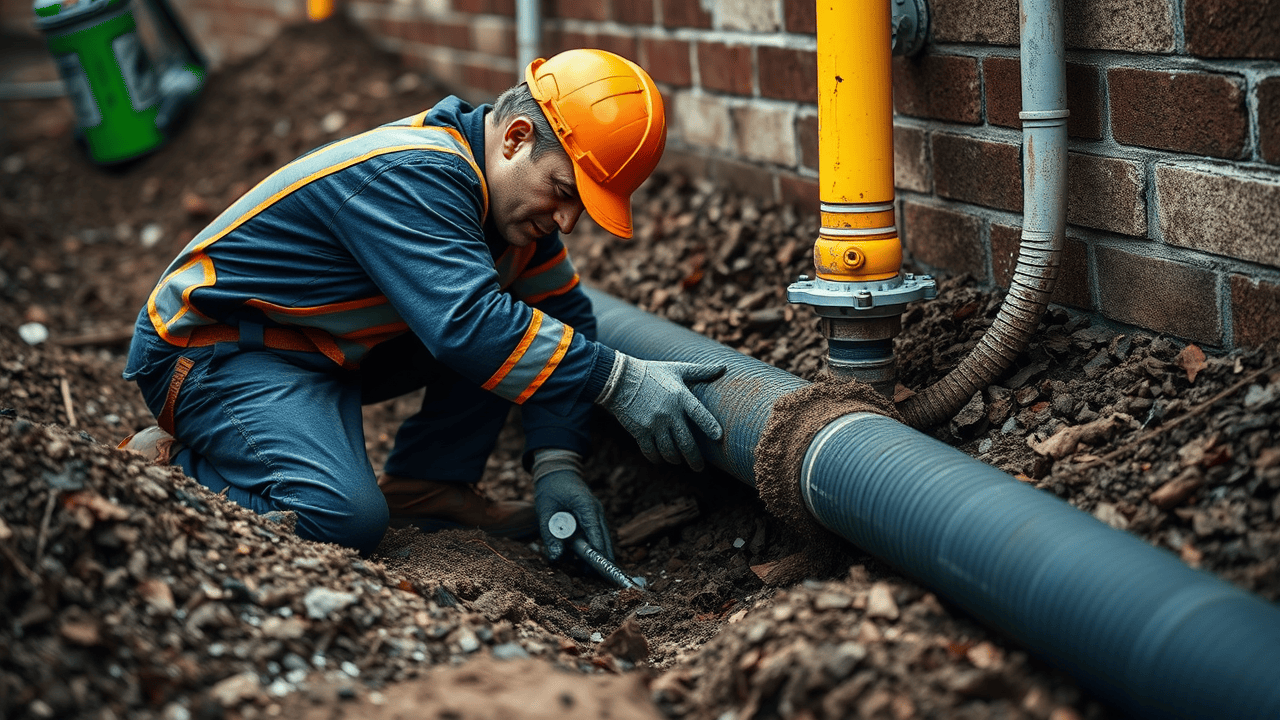
Homeowners facing aging sewer pipes have several replacement options to consider. When traditional materials like cast iron or clay show signs of failing, newer alternatives like PVC and HDPE offer durability and resistance to corrosion. These materials can help extend the life of sewer systems significantly. Trenchless technology has emerged as a popular technique for sewer line installation and repair, reducing the need for extensive digging and minimizing disruption to landscaping and driveways.
Choosing the best option often depends on factors such as the condition of the existing pipes, the surrounding environment, and budget constraints. For some projects, complete replacement may be necessary, while in others, spot repairs or relining could suffice. Consulting with plumbing professionals can provide valuable insights into the most effective approaches to sewer line installation and repair, tailoring solutions to individual circumstances and local regulations.
Cost Considerations
The expenses associated with sewer line installation and repair can vary significantly based on a range of factors, including the extent of the damage and the materials used. Traditional options may be more affordable upfront; however, they might require frequent repairs, leading to higher long-term costs. Modern methods such as trenchless technology can offer a more efficient solution, potentially reducing labor costs and minimizing disruption to landscaping or driveways.
When budgeting for sewer line installation and repair, it is essential to consider not just the immediate costs but also the long-term implications of the chosen materials and techniques. Municipal regulations and local labor rates can also influence the overall expense. Investing in higher-quality materials may result in fewer repairs and replacements in the future, ultimately saving homeowners money over the lifespan of the sewer system.
The Role of Tree Roots in Pipe Damage
Tree roots can pose significant challenges to sewer pipes. As trees grow, their roots seek moisture and nutrients, often infiltrating sewer lines through existing cracks or joints. This can lead to blockages, increased pressure on the pipes, and potential ruptures. Over time, the structural integrity of the sewer system may be compromised, leading to costly repairs or replacements. Homeowners should be aware of the risks associated with tree placements and the impact they can have on sewer line installation and repair.
Management of tree roots is essential in maintaining the functionality of sewer pipes. Regular inspections can identify the early signs of root intrusion. When caught in time, homeowners may be able to employ various preventative strategies. Techniques such as root barriers can be installed during sewer line installation and repair to help mitigate future issues. Maintaining proper landscaping can also reduce the likelihood of invasive roots causing damage, ultimately protecting the integrity of the plumbing system.
Prevention and Management Techniques
Regular maintenance is key to prolonging the life of sewer pipes. Homeowners can schedule periodic inspections to identify any early signs of wear or corrosion. Utilizing video camera inspections allows professionals to assess the interior condition of the pipes without needing extensive excavation. Cleaning the lines through hydro jetting can also prevent the buildup of debris, tree roots, or mineral deposits that might otherwise lead to blockages. Encouraging homeowners to be mindful of what goes down their drains can minimize the risk of clogs and backups.
In addition to routine maintenance, using protective barriers can help shield sewer pipes from external threats. This might involve installing root barriers to deter tree roots from infiltrating the sewer system. Proper landscaping can further mitigate risks, as placing trees and large shrubs away from sewer lines reduces the chance of root intrusion. Furthermore, being proactive about sewer line installation and repair can prevent costly emergencies in the future. Using high-quality materials during installation enhances durability and helps avoid many common issues associated with aging pipes.
Innovations in Sewer Pipe Technology
Recent advancements in sewer pipe technology have introduced materials that enhance the durability and longevity of sewer systems. High-density polyethylene (HDPE) and polyvinyl chloride (PVC) are now commonly used for their resistance to corrosion and lower likelihood of cracks. These materials provide an efficient alternative to traditional clay or cast iron pipes, which can deteriorate over time due to environmental factors or chemical exposure. The lightweight nature of these new materials simplifies installation processes, making sewer line installation and repair less labor-intensive and time-consuming.
Another significant innovation involves trenchless technology, which allows for the replacement or repair of sewer lines without extensive excavation. This method minimizes disruption to streets and landscapes while reducing the costs associated with traditional digging methods. Furthermore, advanced imaging techniques enable precise diagnostics of pipe conditions, ensuring that repairs are targeted and effective. The commitment to improving sewer line installation and repair processes is transforming how municipalities manage aging infrastructure, ultimately leading to more reliable waste management systems.
Advances in Material Science
Recent advancements in material science have significantly impacted the durability and efficiency of sewer pipes. Modern materials like high-density polyethylene (HDPE) and trenchless pipe technologies are gaining traction. These innovations offer enhanced resistance to corrosion and tree root intrusion. These materials not only extend the lifespan of sewer infrastructure but also facilitate quicker installation and rehabilitation processes.
Sewer line installation and repair have also benefited from developments like composite materials, which offer a lighter yet robust alternative to traditional options. These new materials can withstand harsher environmental conditions while reducing the risk of future leaks and failures. As cities invest in updating their aging infrastructure, integrating these advanced materials will be crucial for sustainable sewer management and improved service longevity.
FAQS
How long can I expect my sewer pipes to last?
The lifespan of sewer pipes typically ranges from 50 to 100 years, depending on the material used, environmental conditions, and maintenance practices.
What factors can affect the lifespan of sewer pipes?
Factors such as the type of material, soil conditions, tree root intrusion, water quality, and the overall maintenance of the sewer system can all impact the lifespan of sewer pipes.
When should I consider replacing my sewer pipes?
You should consider replacing your sewer pipes if you notice persistent clogs, frequent backups, visible deterioration, or if your pipes are nearing the end of their expected lifespan.
What are some signs that my sewer pipes may be damaged?
Signs of damaged sewer pipes include slow drains, unusual odors, wet spots in your yard, gurgling sounds in the plumbing, and frequent sewer backups.
Are there new technologies that can extend the lifespan of sewer pipes?
Yes, innovations such as trenchless technology and advanced materials like polyethylene and PVC can enhance the durability and longevity of sewer pipes while minimizing disruption during installation or repairs.