When to Call a Professional
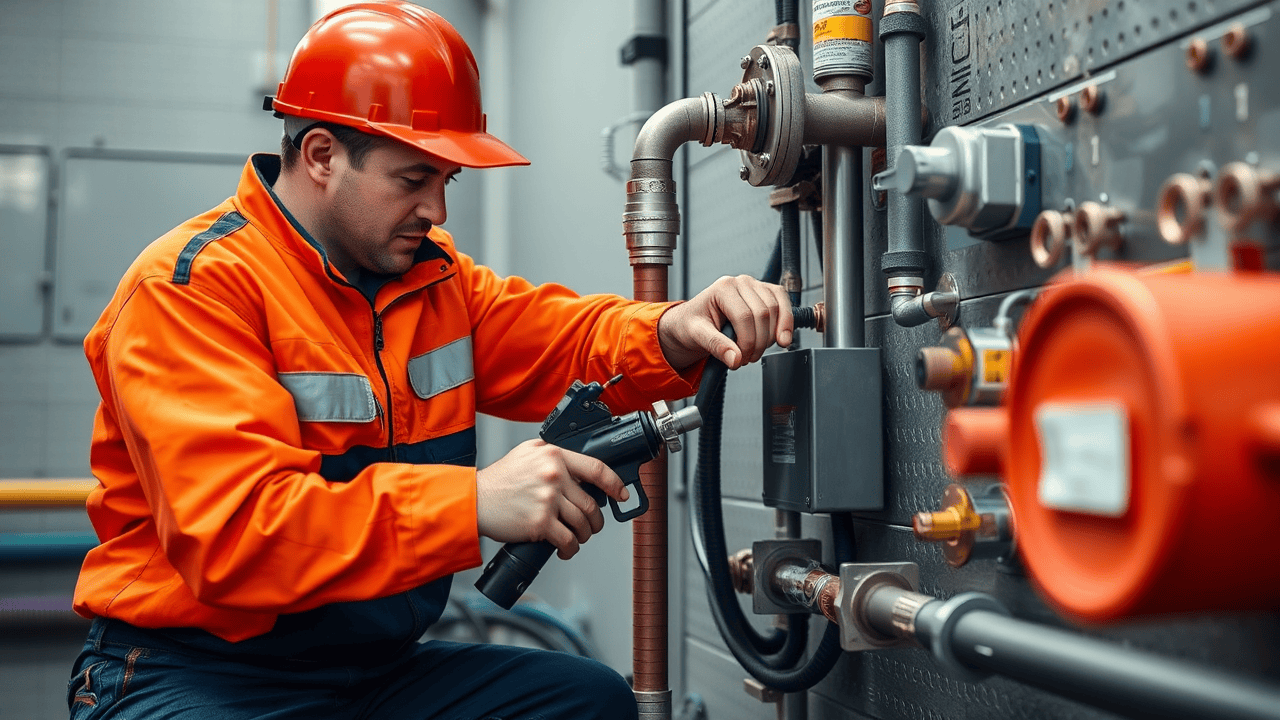
When facing issues with a gas line, it is crucial to recognize the appropriate moments to engage a professional. Signs of a gas leak, such as a rotten egg odor, hissing sounds, or an increase in gas bills indicate the need for immediate assistance. Attempting to troubleshoot or repair these issues without proper training can lead to dangerous situations. Gas line installation and repair in these scenarios should only be handled by certified experts to ensure safety and compliance with local regulations.
Understanding the risks associated with gas line issues also informs the decision to call in a professional. Gas leaks can pose health hazards, including carbon monoxide poisoning, and lead to fire or explosion if not addressed swiftly. Professional technicians possess the necessary skills and equipment to pinpoint problems accurately. The complexity of the repair or installation process further emphasizes the importance of relying on qualified individuals. Gas line installation and repair in such circumstances will help safeguard your home and loved ones.
Situations That Require Expert Assistance
Certain situations undeniably necessitate expert assistance when dealing with gas lines. If there is a noticeable gas leak, immediate action is crucial. Symptoms such as the smell of rotten eggs or hissing sounds indicate that the situation is beyond a DIY fix. Safety should always be the priority, making it essential to call a professional for gas line installation and repair in this scenario. Additionally, if you suspect damage due to construction or natural wear, professional inspection is paramount.
Another instance requiring expert help arises when upgrading or relocating existing gas lines. Modifications to your home’s gas infrastructure cannot be performed without adherence to strict regulations and codes. Attempting major changes without proper knowledge can lead to hazardous conditions. Gas line installation and repair in this context not only addresses safety concerns but also ensures compliance with local laws and standards, ultimately protecting you and your property.
Understanding Gas Line Regulations
Gas line installation and repair in various regions is governed by strict regulations to ensure public safety. Local codes often require permits before any work begins. These regulations cover materials used, installation methods, and necessary safety measures to follow. Compliance helps prevent leaks and potential hazards, thereby protecting both residents and the environment.
Moreover, each state may have its specific licensing requirements for professionals involved in gas line work. Understanding these regulations is crucial for homeowners and contractors alike. Familiarity with local laws can save time and money in the long run. Engaging with certified professionals ensures that all installations or repairs meet the required standards set by authorities.
Key Compliance Issues to Consider
Compliance with local regulations is crucial when addressing issues related to gas line installation and repair in residential or commercial properties. These regulations are designed to ensure safety, prevent leaks, and protect the well-being of occupants. Homeowners must familiarize themselves with zoning laws, building codes, and any specific requirements mandated by local authorities. The implications of non-compliance can include costly fines and the potential for dangerous situations.
Permitting is another essential aspect of the compliance process. Certain jurisdictions require permits for gas line installation and repair in order to monitor work quality and ensure adherence to safety standards. Homeowners should verify whether a permit is necessary before proceeding with any significant work. Failure to secure the proper permits can result in a halted project, legal repercussions, and even increased liability in case of an accident.
Repair vs. Replacement of Gas Lines
When assessing whether to repair or replace a gas line, several factors come into play. The age of the existing line is critical; older lines may be vulnerable to frequent issues, making replacement a more viable choice. Corrosion, wear, and damage can accumulate over time, leading to potential safety hazards. If a line has experienced multiple repairs, the cost of ongoing maintenance might supersede the expense of a new installation.
Gas line installation and repair in residential and commercial settings require careful evaluation of both immediate and long-term needs. The extent of the damage is also significant; minor leaks may be easily repaired, while extensive deterioration could necessitate a full replacement. Your local regulations and the nature of the surrounding infrastructure can influence this decision. Consulting with professionals ensures that you make the best choice for safety and efficiency.
Factors to Weigh for Your Decision
When faced with a decision to repair or replace a gas line, several factors come into play. The age and condition of the existing line are critical considerations. Older lines may pose safety risks and often require ongoing maintenance. If the line has extensive corrosion or damage, replacement might be the safer and more cost-effective option in the long run. This ensures compliance with current safety standards and reduces the likelihood of future issues.
Cost is another significant aspect to evaluate. Repairing a line can sometimes offer immediate financial relief, but a temporary fix could lead to larger expenses down the road. Homeowners should compare the costs associated with repairs alongside potential savings from a new installation. Gas line installation and repair in different regions can also vary widely, influencing the final decision based on local pricing and availability of qualified professionals.
FAQS
Can I fix a broken gas line myself?
It is highly discouraged to attempt fixing a broken gas line yourself due to the potential hazards. Gas leaks can pose serious safety risks, including explosions. It is best to call a qualified professional for repairs.
What signs indicate a gas line might be broken?
Signs of a broken gas line include a strong smell of gas, hissing sounds near the line, dead vegetation in the area, or an increase in gas bills without explanation. If you notice any of these signs, evacuate the area and contact a professional immediately.
How much does it cost to repair a gas line?
The cost to repair a gas line can vary significantly depending on the extent of the damage, the location of the line, and local labor rates. On average, repairs may range from $300 to $1,500, but it is best to get a detailed estimate from a licensed professional.
What should I do if I suspect a gas leak?
If you suspect a gas leak, evacuate everyone from the area immediately, avoid using electrical devices, and do not light any flames. Once you are at a safe distance, call your gas company or emergency services to report the leak.
Are there regulations I need to be aware of regarding gas line repairs?
Yes, there are various regulations concerning gas line repairs that vary by location. It is essential to comply with local building codes and safety standards, which is why hiring a licensed professional is recommended. They will ensure that all work is done according to local regulations.