Comparing LongTerm Costs
When considering the long-term costs of toilet repair versus replacement, it is essential to evaluate not only the immediate expenses but also the potential savings over time. Frequent repairs can add up, especially if the toilet has multiple issues, while a new toilet could offer benefits such as improved efficiency and fewer maintenance needs. As toilets age, their components may become less reliable, leading to increased water usage and higher utility bills.
Investing in a new toilet often results in better performance and water conservation. Modern toilets are designed to use less water per flush, which can significantly reduce water bills over the years. In Eugene, Oregon, local factors like plumbing regulations and utility rates may influence the decision. Engaging professionals for toilet installation and repair in this region can offer insights into options that align both efficiency and cost-effectiveness.
Financial Implications of Repair vs. Replacement
When deciding between repairing or replacing a toilet, it’s essential to evaluate the long-term financial implications. Repairs are generally less expensive upfront. Minor issues, such as a faulty flapper or a leaking tank, may only require a simple fix that costs a fraction of a new toilet. However, if your toilet has persistent issues, investing in a replacement could save money in the long run by reducing frequent repair costs.
In addition, the potential savings on water bills should be factored into the equation. Older toilets often use more water per flush, leading to higher utility expenses. Modern toilets are designed for improved efficiency, which can significantly lower monthly water bills. Homeowners in need of toilet installation and repair Eugene, Oregon, may find that opting for a new, efficient toilet pays for itself over time through these savings.
DIY Repairs vs. Professional Help
Many homeowners consider DIY repairs as a cost-effective solution for toilet issues. Simple problems, such as a leaky flapper or running toilet, often lend themselves to easy fixes that most individuals can handle with basic tools and materials. There are numerous online guides and videos that provide step-by-step instructions, making it accessible for those willing to learn and get their hands dirty. However, tackling more complex problems can lead to potential mishaps, resulting in further damage and increased costs.
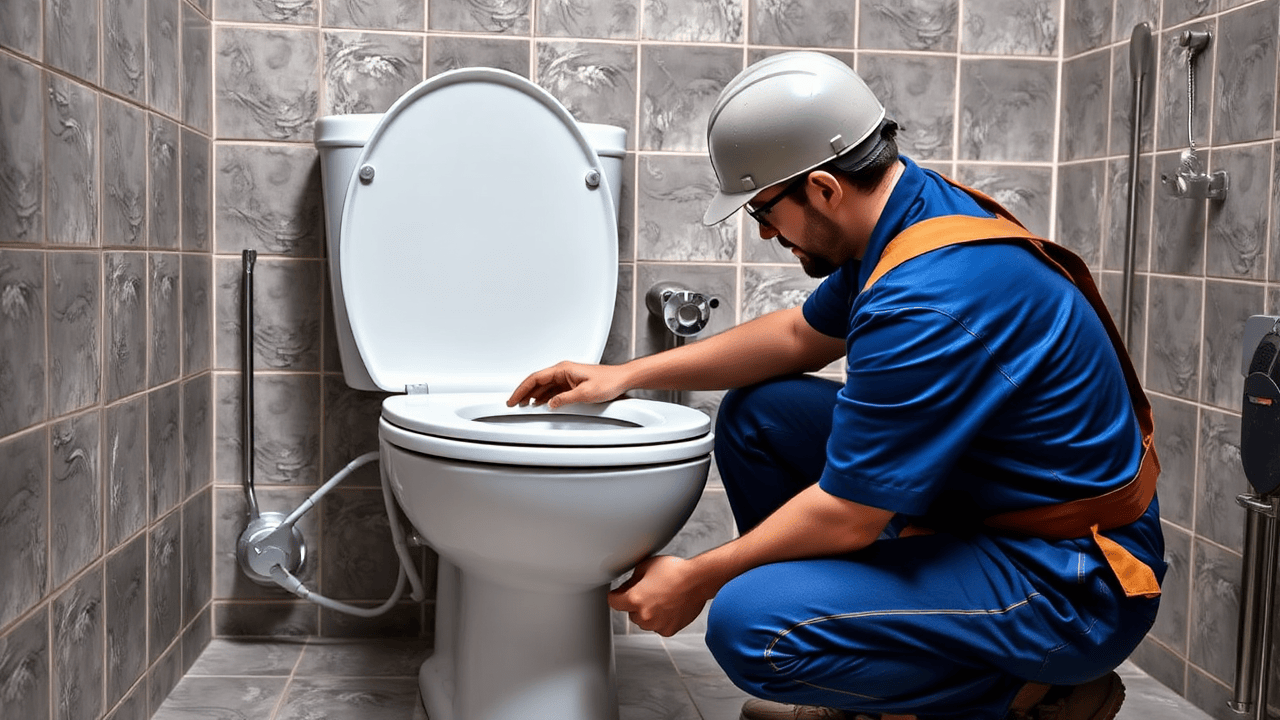
On the other hand, hiring professionals for toilet installation and repair in Oregon may initially seem more expensive. Qualified plumbers bring expertise and experience, ensuring that repairs are performed correctly and efficiently. They can quickly diagnose underlying issues that a novice might overlook. Additionally, a professional service often comes with warranties or guarantees, providing peace of mind that the repair or installation will endure. Understanding the trade-offs between DIY efforts and hiring professionals is crucial in deciding the best approach for your specific needs.
Cost Considerations for Each Approach
When deciding between repairing or replacing a toilet, the initial costs of each option often play a significant role in the decision-making process. Simple repairs, such as replacing a flapper or unclogging, typically have low costs associated with materials and labor if done by a professional. For minor issues, opting for repairs can save homeowners money upfront. However, persistent problems can accumulate repair costs over time, making replacement a more cost-effective choice in the long run.
On the other hand, while the cost of purchasing a new toilet may seem high initially, newer models are often more efficient and may lead to substantial savings on water bills. Modern toilets often have improved designs resulting in reduced water usage per flush, which can contribute to significant savings over time. Homeowners in Eugene, Oregon, should consider the costs involved in toilet installation and repair to determine the best financial approach for their specific situation.
Toilet Efficiency and Savings
Modern toilets are designed with efficiency in mind, significantly reducing water usage compared to older models. High-efficiency toilets (HETs) can save homeowners a substantial amount on their water bills, particularly in areas where water rates are high. By replacing an outdated toilet with a more efficient model, one can expect to see immediate savings on utility expenses and a quick return on investment through lower monthly costs.
For homeowners considering toilet installation and repair in Eugene, Oregon, investing in a new, efficient toilet can lead to long-term savings. While the initial expense may be higher than simple repairs, the reduction in water consumption often offsets these costs over time. Moreover, newer toilets tend to require less frequent repairs, decreasing maintenance expenses overall.
The Impact of Modern Toilets on Utility Bills
Modern toilets are designed with efficiency in mind, significantly reducing water usage compared to older models. These advancements can lead to noticeable savings on utility bills over time. Low-flow toilets, for example, use considerably less water per flush, which is especially beneficial in areas with high water costs. Homeowners in Eugene, Oregon can take advantage of toilet installation and repair services that recommend models tailored to local utility rates, ensuring optimal savings.
Upgrading to a newer, water-efficient toilet not only affects water bills but can also improve home value. Many prospective buyers are interested in energy-efficient home features, making it a worthwhile investment. By seeking professional guidance for toilet installation and repair in Eugene, Oregon, homeowners can select models that align with their financial goals while enhancing overall comfort and aesthetics in their bathrooms.
FAQS
What are the main factors to consider when deciding to fix or replace a toilet?
Key factors include the age of the toilet, the nature of the problem, repair costs, and potential savings from increased efficiency with a new model.
How much does it typically cost to repair a toilet?
Repair costs can vary widely depending on the issue, but common repairs generally range from $50 to $300, including parts and labor.
What is the average cost of replacing a toilet?
The average cost of replacing a toilet, including the unit and installation, typically ranges from $200 to $600, depending on the style and features of the new toilet.
Will a modern toilet really save me money on my utility bills?
Yes, modern toilets are designed to be more efficient, often using 1.28 gallons per flush or less, which can lead to significant savings on water bills over time.
Are DIY toilet repairs worth it, or should I hire a professional?
DIY repairs can save money if you are knowledgeable and comfortable with plumbing tasks, but hiring a professional may be more cost-effective for complex issues to avoid further damage.