Permits and Regulations
Before proceeding with a water heater replacement, it is essential to understand the local regulations and permit requirements. In many areas, including Eugene, Oregon, homeowners may need to obtain specific permits to ensure the installation meets safety and building standards. Local building codes dictate various aspects, from plumbing to electrical connections, and adhering to these guidelines helps prevent future issues. Ignoring the necessary permits can lead to fines or complications during a home inspection.
Hiring a professional for water heater installation and repair in Eugene, Oregon, often includes assistance with the permitting process. Professionals are familiar with local laws and can ensure all requirements are met before starting the job. This not only streamlines the replacement process but also provides peace of mind that the installation will be compliant with regulations. Homeowners should verify that their chosen contractor is licensed and knowledgeable about the permits required in their area.
Local Building Codes
Local building codes play a crucial role in the installation and replacement of water heaters. These codes establish necessary safety standards and operational requirements that homeowners must follow. In areas like Eugene, Oregon, adhering to local regulations can dictate the type of water heater you can install, the placement within your home, and the specific materials you can use. Compliance is essential to avoid fines and ensure your system functions correctly.
Residents should consult their local building authority or a licensed contractor to understand the specific codes relevant to water heater installation and repair in Eugene, Oregon. Ignoring these requirements may result in complications during inspections or hinder eventual sale of the property. Ensuring your new water heater meets all local codes enhances safety and compliance while promoting efficient operation.
Choosing the Right Water Heater
Selecting the right water heater involves understanding your household's hot water needs and considering the various options available. Tankless models offer on-demand heating, making them energy-efficient and space-saving. Traditional tank water heaters store hot water, which can be convenient for larger families who often require a steady supply. Regardless of the type, it's essential to assess the unit's capacity, energy efficiency ratings, and installation requirements. Water heater installation and repair Eugene, Oregon, services can help guide your choice and ensure you find the best fit for your home.
Another critical factor to consider is the type of fuel source that best aligns with your home's infrastructure. Electric water heaters are popular due to their ease of installation and maintenance, while gas models tend to heat water faster and can be more economical in the long run. Keep in mind that local building codes may restrict specific types of installations or require certain modifications. Consulting with local experts can provide clarity on what specifications are necessary for your region, further easing the decision-making process regarding your new water heater.
Energy Efficiency Considerations
When considering energy efficiency in water heater options, understanding the different types available is essential. Tankless water heaters are known for their high efficiency, as they heat water on demand rather than continuously maintaining a reservoir. This can lead to substantial energy savings over time. Traditional tank water heaters may have lower initial costs, but they often have higher operating costs due to energy losses from standby heat. Choosing the right type based on energy consumption can significantly impact utility bills.
In addition to selecting the appropriate heater type, looking for models with high energy factor ratings can further enhance efficiency. Fuel type also plays a crucial role; electric heaters typically have higher energy losses than gas models. Homeowners in Eugene, Oregon, need to consider local climate factors and energy sources when making a decision. Consulting professionals for water heater installation and repair in Eugene, Oregon, ensures that the chosen system aligns with energy efficiency goals while adhering to local codes and regulations.
Professional vs. DIY Replacement
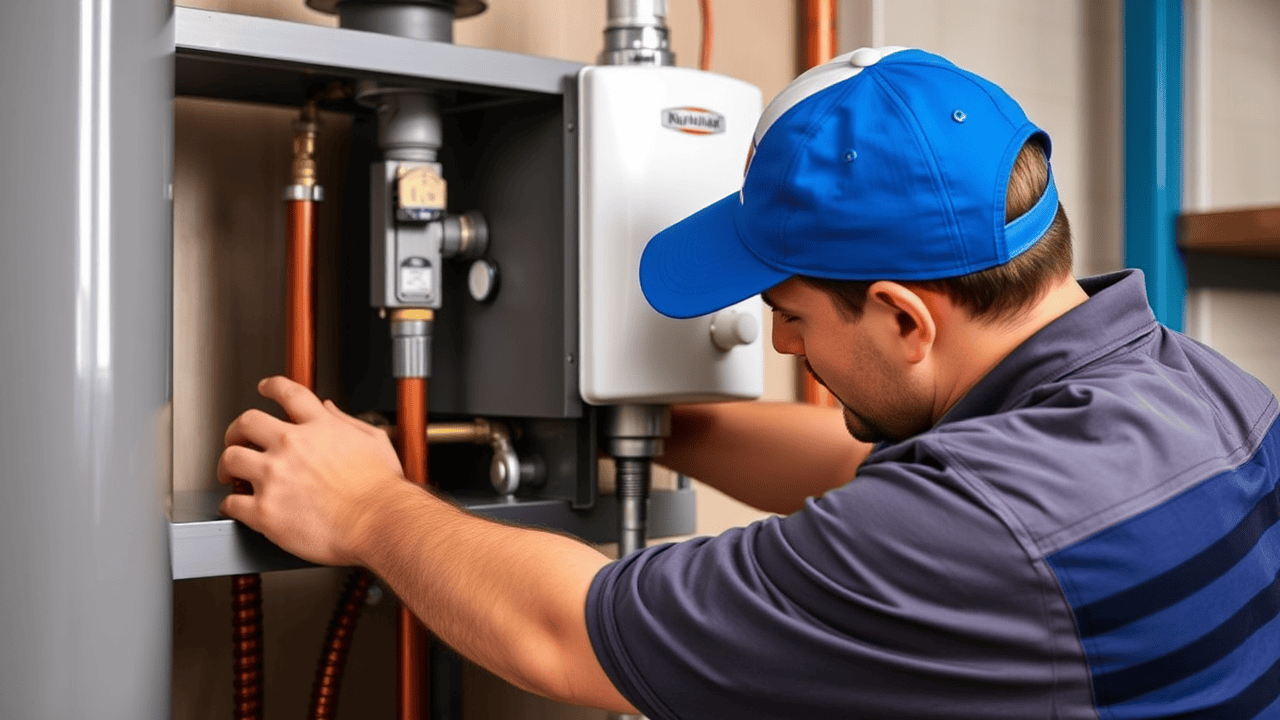
When considering the replacement of a home water heater, homeowners often weigh the benefits of hiring a professional against opting for a DIY approach. Professional water heater installation and repair in Eugene, Oregon, offers the advantage of expertise and ensures that local building codes and regulations are followed. This can prevent future issues that may arise from improper installation, which could lead to costly repairs. A qualified technician often provides warranties on labor, giving homeowners peace of mind.
On the other hand, some homeowners may choose to take on the project themselves as a cost-saving measure. DIY replacement can be rewarding and offer a sense of accomplishment. However, it requires knowledge of plumbing and electrical systems along with an understanding of safety precautions. Mistakes made during a DIY installation can result in water damage or unsafe conditions, emphasizing the value of professional assistance in many cases.
Pros and Cons of Each Approach
When considering professional replacement versus a DIY approach, it's essential to weigh the benefits and drawbacks of each. Hiring a professional ensures that the installation meets local codes and regulations. Pros include expert knowledge, warranty on labor, and the safety of having experienced technicians handle potentially hazardous materials. Homeowners can also save time, as professionals generally complete the work more quickly. However, this option comes with the downside of higher costs, which can deter some individuals from seeking expert help.
On the other hand, a DIY replacement can be appealing due to the potential cost savings. Completing the installation independently allows for greater control over the process and the flexibility to schedule work around personal availability. For those with experience in home improvement projects, it can be a rewarding challenge. Nonetheless, this approach does carry significant risks, like improper installation leading to water damage or breaches of local codes, which may complicate future real estate transactions. For residents in need, options for water heater installation and repair in Eugene, Oregon can influence the decision between the two approaches.
FAQS
How long does it typically take to replace a home water heater?
The replacement of a home water heater usually takes between 2 to 6 hours, depending on the complexity of the installation and whether any additional plumbing or electrical work is needed.
Do I need a permit to replace my water heater?
Yes, most local jurisdictions require a permit to replace a water heater. It's important to check with your local building department to understand the specific regulations in your area.
Can I replace my water heater myself?
While replacing a water heater can be a DIY project, it requires a good understanding of plumbing and electrical systems. It's recommended to consult a professional if you're unsure of your skills.
What factors can affect the time it takes to replace a water heater?
Factors that can affect the replacement time include the type of water heater being installed, the accessibility of the installation site, and whether any additional repairs or modifications are necessary.
How can I choose the right water heater for my home?
When choosing a water heater, consider factors such as energy efficiency, size and capacity, type (tank or tankless), and your household's hot water demands to ensure you select the best option for your needs.